NUPIAO Staff Writer |
NUPIAO Editor | NUPIAO
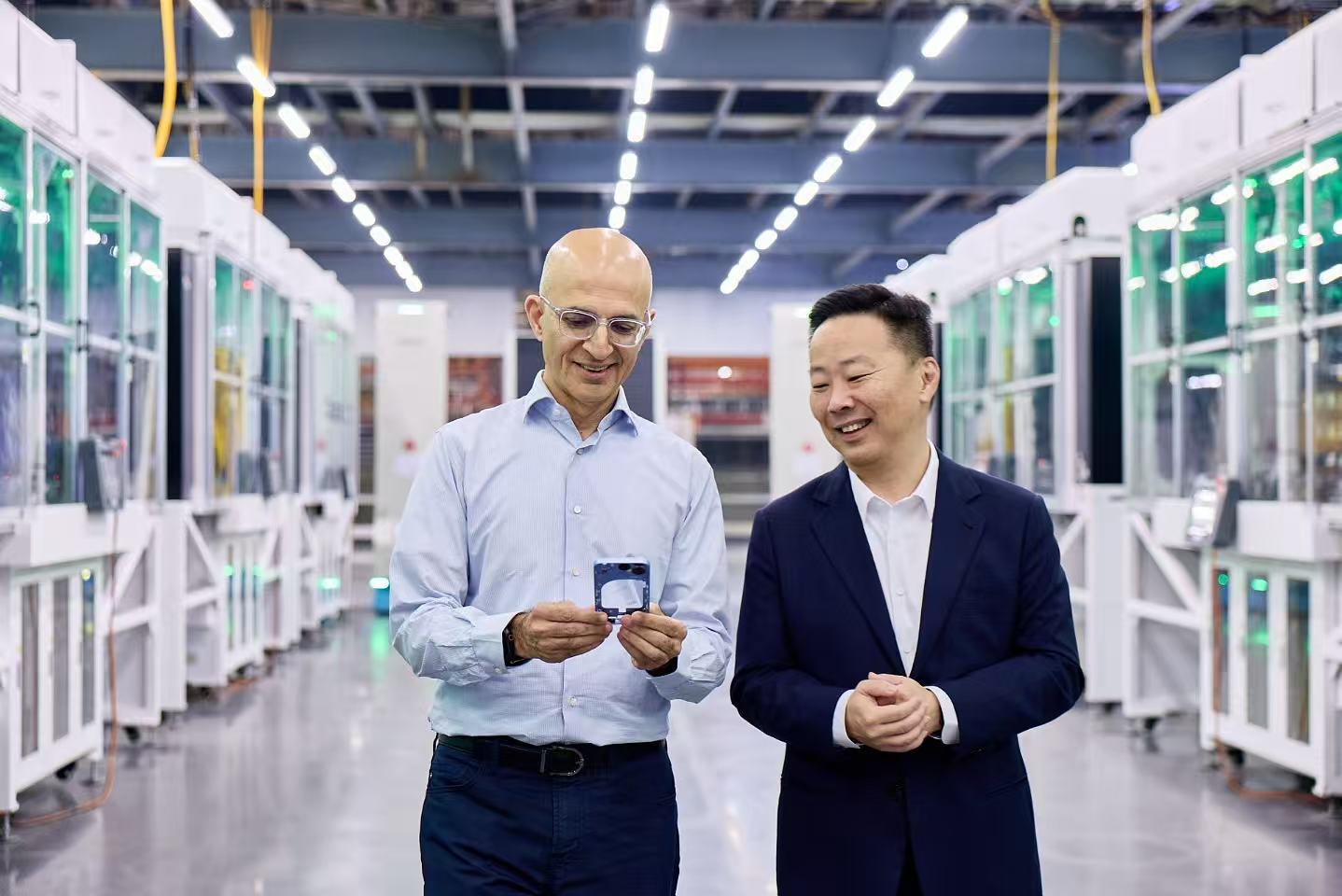
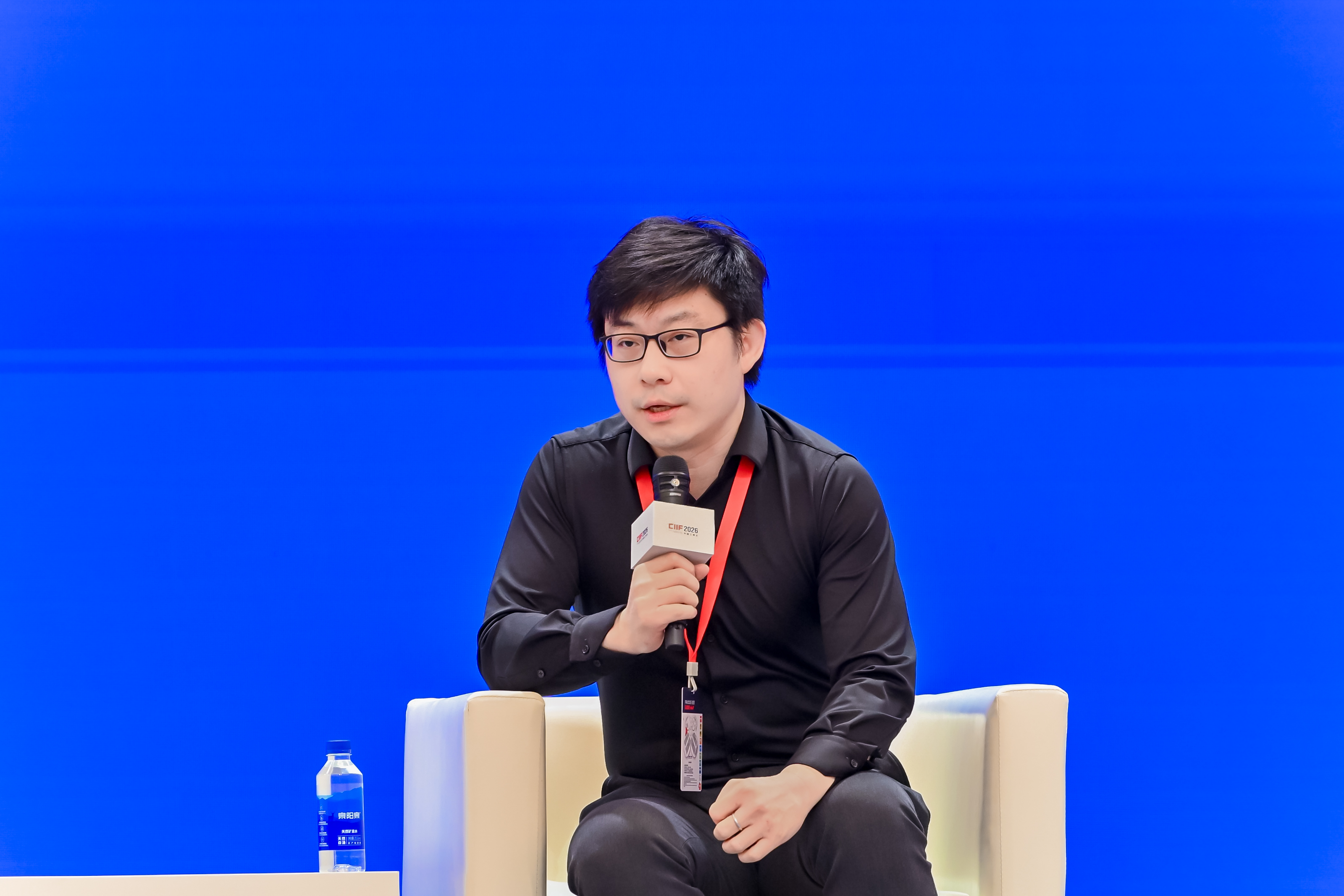
On October 12, the 26th China International Industry Fair kicked off in Shanghai. At the opening, Wang Jian—academician of the Chinese Academy of Engineering and director of Zhejiang Lab—Wang Xingxing, founder, chairman, general manager, and CTO of Unitree Robotics, and Xiang Shaoqing, co-founder of Sharpa, discussed robot compute, training data, and real-world applications.
An IDC report released on September 29 shows that in the first half of 2026, global humanoid robot shipments reached nearly 25,000 units, up 432.1% year on year, with China accounting for more than 19,000. Still, research and education, performance and display, and government data-collection centers made up 69% of global shipments. Industrial manufacturing, retail, and logistics have yet to become the main shipment drivers.
Wang Xingxing said on site that robots entering factories is not starting from zero. Unitree ran pilot programs with several automakers back in 2024, and other robot companies at home and abroad are trying too. But turning isolated trials into large-scale deployment will require better generalization and work efficiency.
Compared with mass-production timelines, he is more upbeat about how fast AI is iterating. He believes embodied intelligence could make major progress in the next one to two years, though that is a judgment based on model advances—not a confirmed commercialization milestone.
“The biggest mistake I’ve made over the past decade or so was not believing in AI enough.” Wang said his confidence in AI has grown steadily as AI capabilities improve .
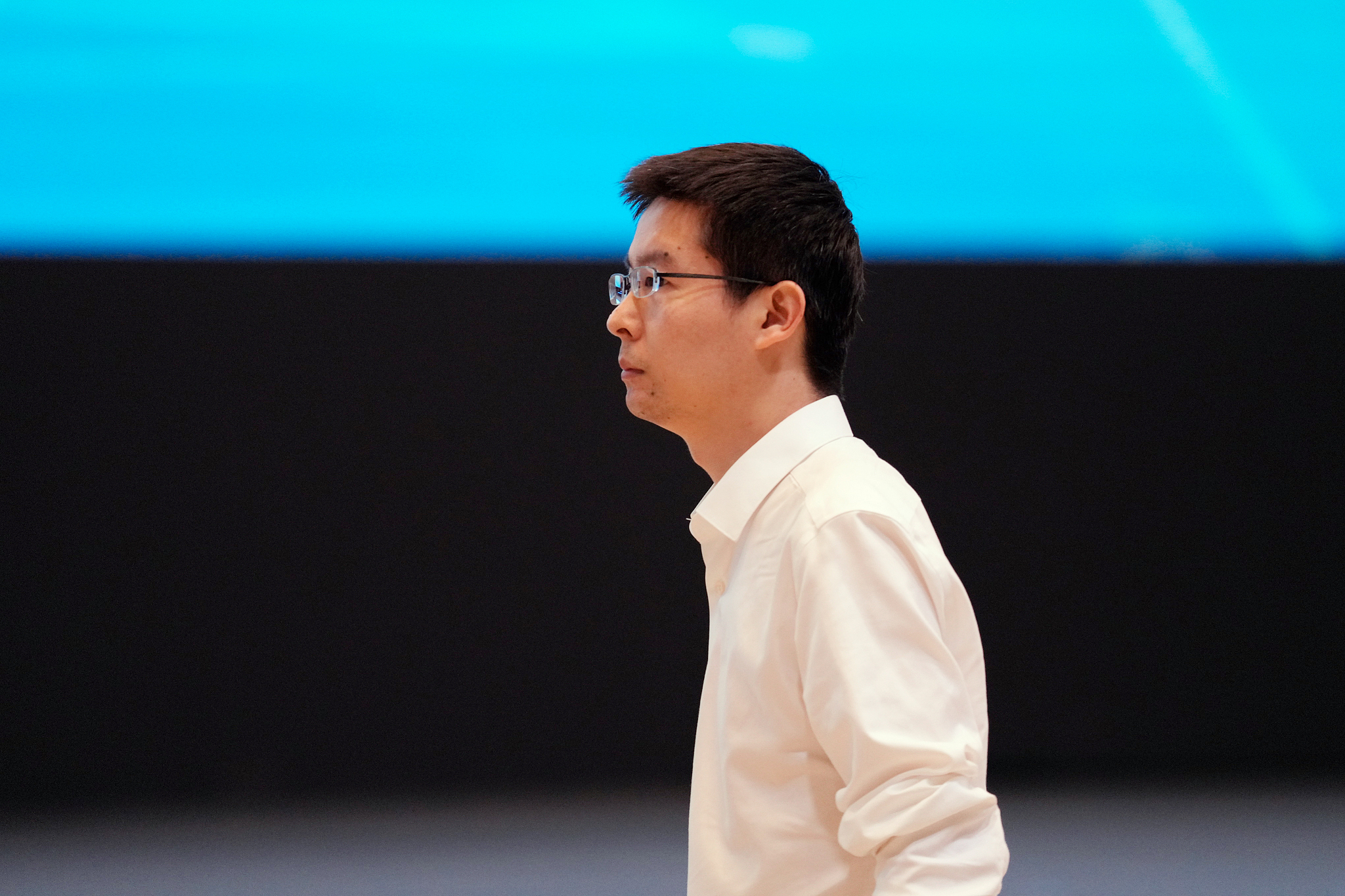
In his view, many people still aren’t using AI fully enough, and the technology may change faster than the industry previously expected.
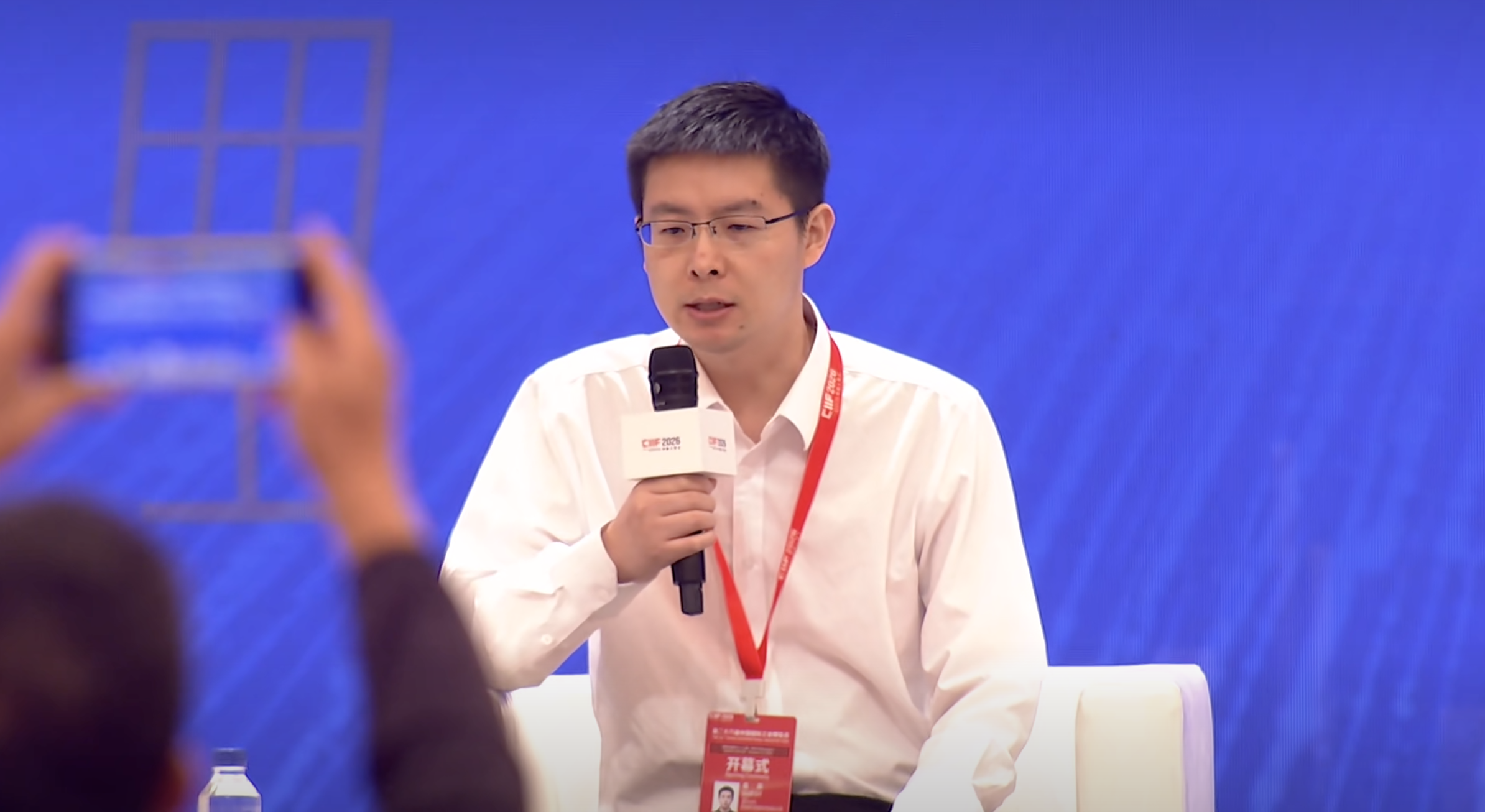
That optimism doesn’t mean industrial scenes will be first to take off. Wang noted that some business-to-business commercial service scenarios may move faster than factories, while home services demand much stronger adaptability to complex environments—so their landing order may not be near the front.
How to allocate compute is another practical problem robot makers face. Wang explained that body space, battery power, and heat dissipation make it impossible to cram lots of high-end compute into every robot. Unitree’s approach: keep real-time-heavy computing, such as motion control, on the robot itself; push complex decision-making and broad scene adaptation to the cloud as much as possible.
He added that onboard compute can be configured based on customer needs, rather than forcing every model to use the same setup. The cloud’s advantage is flexible compute scheduling, but if future models become small enough to run directly on the body, that would also be a more ideal choice.
Xiang Shaoqing also sees latency as a key constraint. He believes that over the next three to five years, a lot of complex computing may still sit in the cloud, while action execution will mainly rely on the device side. Over the long run, more robots will put pressure on cloud load and communication bandwidth, so more compute capacity may shift locally.
For Wang Jian, cloud and device-side computing are not an either-or technical path; it’s a division of compute resources. Using smartphones as an example, he noted that mature products often use both local and cloud compute. The robot industry is still early, so compute deployment should start from actual needs rather than rushing to pick one technical route.
Beyond compute configuration, Wang Xingxing also talked about recent progress in foundation models. He said global AI tech gets a major update almost every one or two months. After GPT-6 was released, the Unitree team already used it to test tasks on different robots, and the results were “pretty good.”
He judges that the technical tipping point for embodied intelligence could arrive as soon as the next one to two years. He even suggested that if GPT-7 launches next year, it might “punch straight through the embodied intelligence problem.”
But progress in foundation models doesn’t mean robot model development is mature. Wang said robot model development is still fairly “primitive”: engineers read papers, write models, finish training, hand things to testers, then keep revising after test results come back—many steps still rely on manual handoffs.
He thinks coding, model training, deployment testing, and other steps can be further handed over to AI, letting models automatically iterate based on test results. At this stage, though, human evaluation remains essential. For example, whether a robot’s movements are appropriate, whether task success rates meet the bar, and whether the result is truly what people need still require people to score.

On training data, Wang believes first-person human operation data is valuable, but when robots actually enter the physical world, the final millimeters of contact and manipulation still require continuous adjustment with real-machine data. As a robot body maker, Unitree pays particular attention to test feedback from real environments.
Xiang believes human operation, simulation, and real-machine data each play a role. Human operation data provides an initial reference; simulation can be used for reinforcement learning and expanding training scenarios; real-machine data corrects the gap between simulation and reality. These three parts can run at the same time, but it’s hard to skip any one of them.
“I think industry should open up industrial data,” Wang Jian appealed on site. He believes internet text and open-source code can be used to train large models largely because the data is widely accessible, while a huge amount of industrial data remains inside individual companies.
“All industrial data is still locked in everyone’s drawers today,” Wang Jian said. If industrial data can never be used for model training, robot companies will struggle to make full use of experience accumulated in industrial production.
Wang Xingxing responded that AI indeed needs all kinds of data, but companies also have confidentiality requirements. How to use industrial data for training while protecting trade secrets is still a problem to solve.
Some robot companies are now starting to accumulate operation data from actual store operations. On August 28, a robot restaurant co-created by Sharpa and DQ opened in Shanghai and officially began operating the next day.
Xiang introduced that Sharpa’s robots can handle real orders in stores without special renovations. He believes that for robots to enter commercial scenarios, what matters is whether they can adapt to existing equipment and workflows and keep completing tasks—not remodeling the business environment for the robots.
Xiang revealed that Sharpa’s next step is to deploy 30,000 robots across dining, retail, and hotel scenarios. He hopes that in the future, store operators will need only a small amount of data and simple training to help robots adapt to new scenes.
Going from single-store validation to tens of thousands of deployments still leaves an efficiency and cost gap. Earlier, NUPIAO reporters observed at the partner store that a robot took about six minutes to make one ice cream, while an experienced staff member usually needs only two to three minutes.
Sharpa co-founder Li Yifan also told NUPIAO at the time that the device is not yet profitable. The full setup is still priced in the hundreds of thousands of yuan, with a long-term goal of bringing it down to the 100,000-yuan range.
As for outsiders judging robots as “exhibits or products,” Wang Jian believes that framing is unfair to an industry still in a rapid iteration phase. In his view, robot technology has made big progress, but the industry still needs to find applications that truly suit robots and solve real problems.
“This is not a simple thing; it’s something that really requires creativity,” Wang Jian said.