NUPIAO Reporter |
NUPIAO Editor | NUPIAO
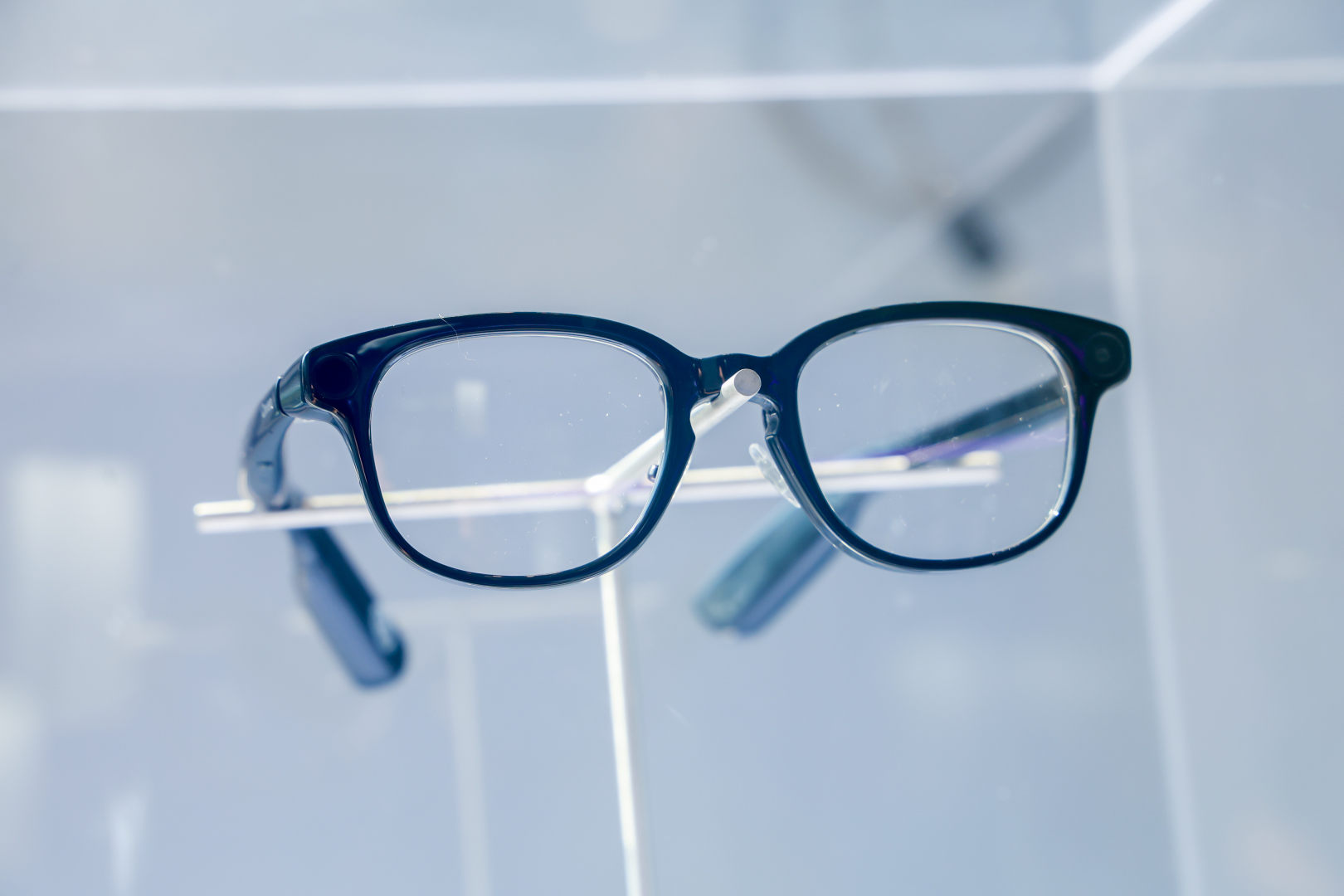
Qwen AI Glasses have officially launched their upgraded new models a year after debut: the Qwen AI Glasses N1 and N1 Pro.
Among them, the N1 series supports 4K ultra-clear video, multi-level stabilization, smart composition and Live Photos, plus all-weather environmental awareness. Once enabled, the glasses can proactively alert users at train stations about gates, departure times, and more.
N1 Pro can monitor heart rate, blood oxygen, skin temperature, and other metrics, making it the industry’s first AI glasses with real-time vital-sign monitoring. It also supports eye-movement interaction and iris authentication: when users look at an object and ask “What’s this?”, the glasses lock onto it and answer. Previously, users had to describe the object they wanted to ask about.
Song Gang, vice president of Alibaba Group’s Qwen business unit, shared the Qwen AI hardware philosophy at the launch event: AI-driven, interaction innovation, and always present. In his view, these three ideas answer three very direct questions: Can AI move from waiting for commands to proactively serving? Can users express intent more naturally? Can a device truly blend into our daily lives and show up whenever we need it?
In reality, this is a deeper reflection on why users should use AI glasses. A year into the “hundred-glasses war,” shipments are growing fast, but real usage rates remain low. There’s still a long way to go before AI glasses become the new user gateway of the AI era.
IDC data shows that in Q1 this year, non-display AI glasses shipments hit 2.25 million units, nearly matching all of 2024. But some industry insiders say long-term real usage of AI glasses is under 6%.
Zhang Yi, CEO of iiMedia Research, told NUPIAO that lower-than-expected user acceptance of AI glasses was inevitable, mainly because the industry hasn’t done enough in user insight and product innovation.
In his view, the biggest problem with AI glasses is the interaction paradox: visual and voice interactions lack privacy and create significant social pressure for users.
On top of that, most user pain points that AI glasses can address are already covered by other products, making them highly replaceable.
AI glasses enthusiast Xiao Wang has bought and tried almost every AI glasses product on the market. He told NUPIAO that after wearing them long-term, his most common use case is just noting his room number when staying at a hotel on a business trip. Most functions—photos, recording, navigation—can be replaced by a phone or voice recorder. Users lack motivation; even if they buy a pair, it often ends up gathering dust after the novelty wears off.
Zhang Yi believes that piling on features in the current form factor is pointless. What AI glasses really need to do is dig deep into consumers’ daily pain points and solve them.
Judging from the new features on these Qwen AI glasses, the company is clearly trying to find user pain points that phones and other hardware can’t solve.
On imaging, Wu Jianjun, general manager of AI hardware products at Alibaba’s Qwen business unit, revealed that over the past year the Qwen AI hardware team tracked user behavior and found some moments are planned, but more happen in a split second. Users don’t need another portable camera; they need a way to capture the moment without stepping out of it.
Simply put, the scenario Qwen AI glasses want to own is the split-second moment—capturing something that can’t be repeated. To that end, the glasses improve light intake and signal-to-noise performance in low light, making images richer and more layered.
On interaction, Qwen AI glasses have improved proactive service. AI can now genuinely act based on where users look. For example, in a museum, many users feel social pressure and are too embarrassed to say, “Qwen, tell me about this exhibit.” With eye-movement interaction on N1 Pro, users just blink at the exhibit they’re curious about, and it understands the intent and starts explaining.
Counterpoint this year9 month’s report argues that the current first wave of AI glasses growth is driven by cameras + passive voice assistants; the next wave will be led by AI glasses with agent capabilities. Agent glasses don’t wait for users to ask—they rely on on-device sensing, operating systems, and agent software to proactively perceive context, anticipate needs, and complete multi-step tasks autonomously, delivering contextual interactions. That requires ultra-low-power sensing and on-device computing.
That’s exactly the direction Qwen AI glasses are betting on. But the industry is still in a tech-climbing phase. With so many new features, how to solve the “impossible triangle” of lightweight design, battery life, and display remains the core question for AI glasses makers.
Wu Jianjun sees the hard part as “sustained” operation: if a high-performance chip runs at full speed to watch the world all day, the battery won’t last and the body will heat up.
Qwen’s solution: light processing for light scenarios, heavy compute only for complex tasks. Beyond the traditional camera pipeline, Qwen AI glasses built an independent low-power visual sensing pipeline: a dedicated low-power vision chip running at just 5mW, capturing environmental info through grayscale frames and using a custom vision model to recognize scenes. The system uses tiered wake-up, calling on high-performance compute only when key cues are detected.
Beyond imaging and interaction innovations, Zhang Yi offers another innovation path. In his view, smartwatches solved pain points around exercise and health monitoring; smart glasses could start from essential eye-related needs and then layer on many new features.
On product design, there are still many disagreements about AI glasses. But the basic consensus among insiders is that only when a task is more efficiently done with glasses on can AI glasses truly shed their identity as a phone accessory.
And to get more people to actually use them, the first step is making users instinctively put on their AI glasses when they head out the door.