NUPIAO Reporter |
NUPIAO Editor | NUPIAO
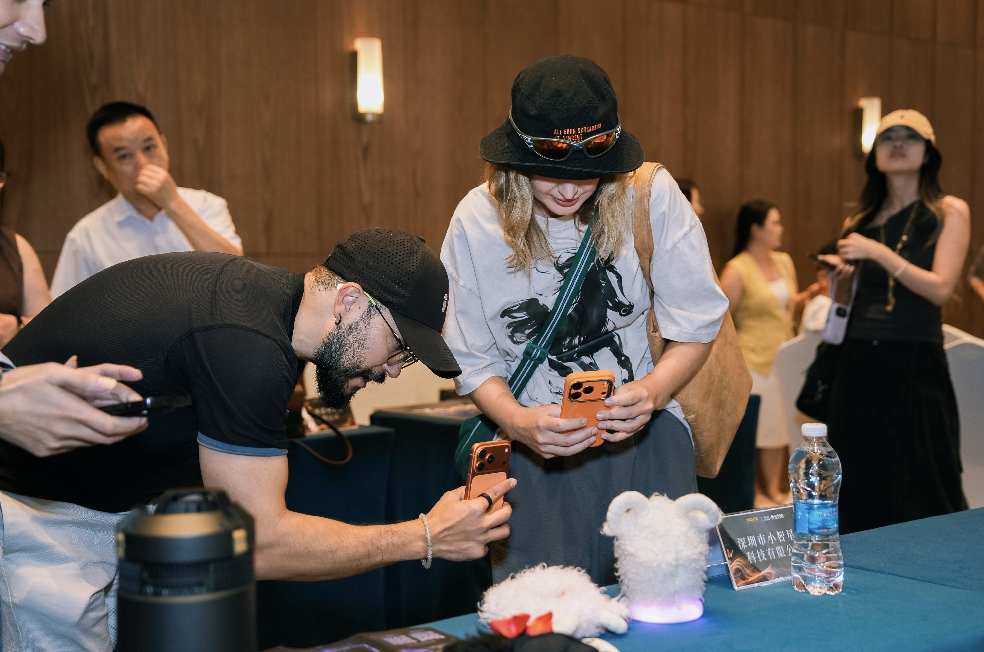
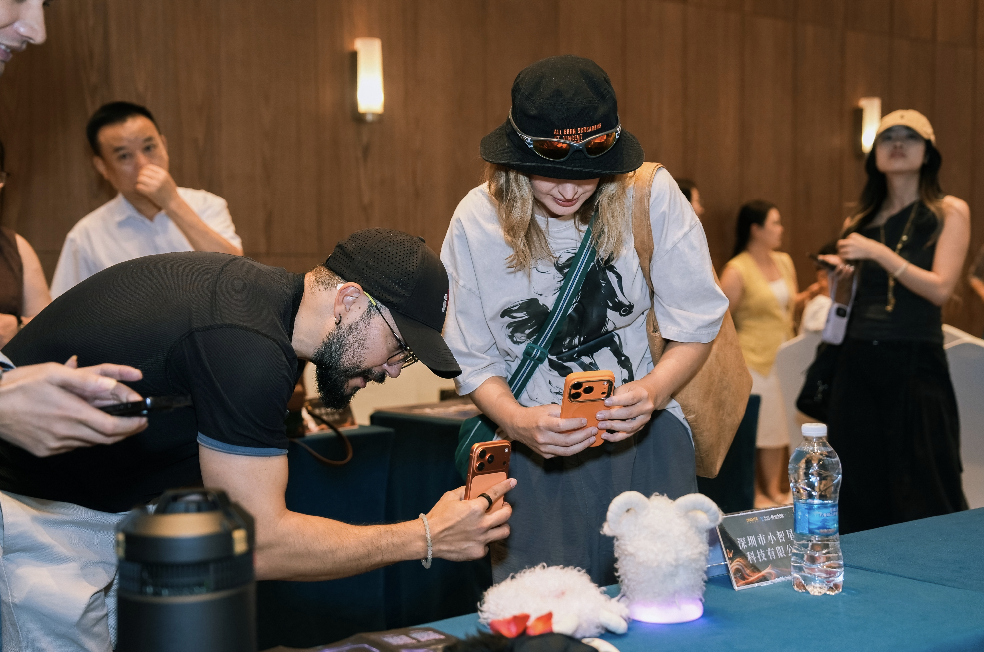
In early September, Los Angeles tech creator Tarik Deliktas landed in China again. Nearly 40 other overseas creators arrived with him. Their main stops were Guangzhou and Shenzhen, where they hoped to meet Chinese factories that could co-develop products with them.
It was Tarik’s second trip to China. The Pearl River Delta is packed with supply chains for consumer electronics, apparel, and beauty, so it is one of the fastest places to find factories for sampling and mass production. Unlike past trips, when creators mostly picked ready-made goods, many on this trip brought their own brand ideas. They want to help define products at the manufacturing source and go from creators earning promo fees to brand owners.
Tarik has noticed that Chinese factories are taking this business more seriously, too. On his first trip last year, some factory owners still asked him: “Should we trust you? Is this really worth investing in? Or is the old way safer?” From thousands of miles away, factories could not tell whether creator traffic would actually turn into orders.
This year, the mood has clearly shifted. One factory owner told him the company already works with 20 creators and plans to add more next year. The same person said a single video from a creator could bring a “5 to 6 times” return.
Creators want to turn traffic into brands of their own, while Chinese factories are hunting for new business beyond low-cost supply.
Creators don’t want to earn only commissions
Over the past few years, overseas creators have been an important promotion channel for Chinese goods going global. But the usual setup has been pretty traditional: creators shoot and promote, then collect ad fees or sales commissions.
That traffic business is getting crowded. Creator marketing platform CreatorIQ says the number of creators taking part in brand campaigns through its platform rose 183% year over year in 2025, but income is concentrating even more at the top. The top 10% of creators took 62% of payments, up from 53% in 2023. More people keep piling in to fight over limited brand budgets.
Relying only on ad money is becoming a business that depends more and more on luck.
Top creators have already shown what a successful own brand can look like. MrBeast, who has hundreds of millions of followers, launched chocolate brand Feastables in 2022, and it reached $215 million in net revenue in 2024. YouTuber and professional wrestler Logan Paul teamed up with British creator KSI to launch beverage brand Prime, which used their fan power to move quickly into retail channels in Europe and the U.S.
But not every creator has solid brand operating experience.
Tarik told NUPIAO that he once tried to find suppliers on his own. He contacted 52 factories in one night, but nothing got done. The problem: the replies generally came with high minimum order quantities. His own brand had not proved sales yet, and he did not want to bet real money on whether fans would actually buy.
He suggested to Chinese factories that they could start with small-batch orders to help creators test the market. Take home appliances as an example. Tarik wants to test with 10 samples first, then reorder once he confirms they can sell. After sales stabilize, factories can start producing bigger batches. He also suggested that factories could put a small number of samples in U.S. overseas warehouses in advance. That way creators would not have to pay for a whole batch just to run a test, or wait for each sample to be shipped separately from China. It would fit upstart personal brands much better.
Beyond small-batch supply, Tarik also wants Chinese factories to be more involved, instead of ending the relationship right after shipping.
“Factories should stay in close contact with us, review problems together, collect feedback, and figure out what needs to change in the next batch,” Tarik said. If factories can respond quickly to user feedback, product validation and redesign will both move faster, and it will be easier for both sides to build a long-term partnership.
Tyler, an entertainment creator from the U.S., had a more practical suggestion. He told NUPIAO that many creators worry that when they hand an idea to a factory before it is patented, the other side might spread it around or just make the product themselves, cutting the creator out. “Factories need to earn trust first before they can get orders.”
The platform wants to step in earlier
The person who brought Tarik Deliktas and nearly 40 overseas creators to China is DHgate.
Founded in 2004, DHgate is one of China’s earlier cross-border e-commerce B2B platforms. It has long connected small and medium Chinese sellers with overseas buyers and is known for small-wholesale deals and supply-chain matchmaking. Put simply, overseas merchants used to find Chinese products on DHgate and buy them for sale in their own markets.
Now the platform wants to get involved earlier. Yi Xixu, vice president of DHgate and head of its Strategic Innovation Department, told NUPIAO that the company’s new positioning is “a business container driven by community co-creation.” Creators, factories, designers, and marketing partners join from the start to define and develop products together. DHgate provides community, supply-chain, and platform support to push projects from ideas into products and markets.
The company is also exploring ways to make money from this. The first layer is membership and connection services, where creators and supply-chain partners pay to keep participating in the community. When a project is ready to sell, DHgate can provide independent-site setup, ad buying, and distribution support. If the partnership goes deep enough, the platform may also invest in brand development, sharing returns and risks as agreed.
The model goes after an information gap that has long existed in traditional foreign trade. Chinese factories know how to make products, but they often struggle to understand U.S. consumers directly. Overseas creators understand what fans want, but they cannot find the right development team.
In projects already up and running, the speed of Chinese factories has stunned overseas creators.
In July this year, DHgate invited creator Ryan to China to test the waters. At the time, he only wanted to start a fashion brand that “helps people feel more confident,” and he did not have many product ideas yet. After four rounds of discussion, the project gradually nailed down the target users, perfume formula, and production costs, then moved quickly into sampling.
In less than two months, his men’s fragrance brand XAV was officially listed for sale.
But in Yi Xixu’s view, Chinese factories need to change, too. He believes that in the next stage, supply-chain competitiveness will show up more in flexibility. Factories need to be more flexible and responsive to meet creators’ needs for fast sampling and continuous product adjustments.
“In the U.S., many people still think of Chinese factories as cheap first. That perception needs to change,” Tyler said. Chinese supply chains can make high-quality products, but that capability has often been hidden behind overseas brands.
A new wave of overseas brands is now moving from idea to market fast, powered by China’s industrial chain.