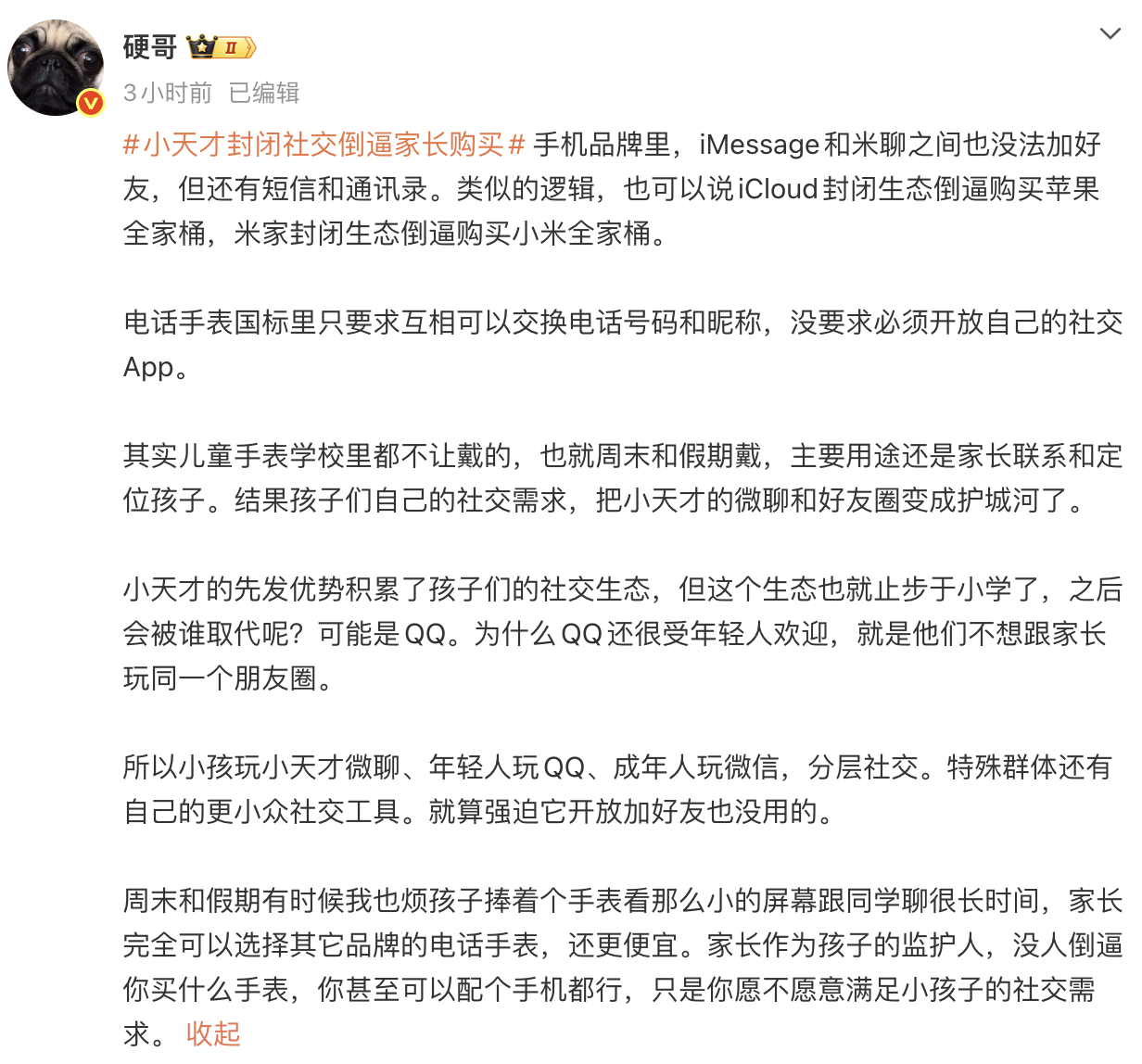
In a recent interview, American entrepreneur Elon Musktalked about the wonders of artificial intelligence,and then, unusually, opened up about how he felt: “I’m a bit ‘cyberpsychotic,’ and it might actually be pretty serious.”
Musk said he’s had roughly six episodes of “artificial intelligence or superintelligence (AI or SI) psychosis” over the past year. SI is AI. President Trump recently signed an executive order to rename AI as SI.
Public materials show that cyberpsychosis is not a formal medical term; it comes from cyberpunk literature, film, TV and games. It refers to a state in which people overload their nervous systems by over-modifying their bodies or implanting mechanical prosthetics, and eventually lose control. Today, the term usually refers to people whose existing delusions get worse after repeated AI use;and it is also used to mock some tech workers who over-worship or are almost obsessed with AI capabilities.
Interestingly, “AI psychosis” is becoming a bit of a trend in tech circles—and people even joke about it almost like a badge of pride. Venture capitalist Marc Andreessen has been pushing the idea of “AI psychosis as a service,” meaning that this “AI psychosis”is being mass-produced and spread like a service. Gary Tan, CEO of Silicon Valley incubator Y Combinator, oncesaid: “I have ‘cyberpsychosis,’ and I think a third of the CEOs I know have it too.”
But what Musk means by “AI psychosis” is his own view that artificial intelligencecan display aesthetics and understanding that shock him—even produce a kind of cognitive impact. In the interview, hesaid: “You think, ‘Wow, AI can actually show good taste? That’s incredible.’”
If those comments from tech circles reflect the impact of AI on the human mind and psyche, Microsoft co-founder Bill Gates is more focused on the shocks AI could bring to cybersecurity and social fairness.
On October 11, Gates said in an interview that the more urgent threat is “bad actors” using existing AI systems to launch attacks after all safety guardrails are removed. He pointed out that when bad actors get the latest AI models and are not bound by safety mechanisms, many unexpected negative events could occur in the coming year, especially in cybersecurity. He called for stronger regulation to prevent AI from being used for bioterrorism and cyberattacks.
This isn’t the first time Gates has voiced concerns about AI.In August this year, Gates argued that AI could either become the greatest equalizer in history or the source of the most serious injustice. He called on government leaders to legislate a tax on the volume of text processed by AI models, to make up for lost revenue caused by AI and provide broader social protection for workers replaced by AI.
In September this year, Gates warned that AI is a “powerful enough” tool, “enough to trigger an event that kills a billion people.” In his view, “never in history has any weapon matched the threat posed by malicious people armed with the latest AI tools.”
When it comes to AI safety, however,NVIDIA CEO Jensen Huang has expressed his own optimistic view.In September this year, Huang said there was no need for new AI safety regulations, because market forces would push companies to ensure safety while innovating. He also said publicly that AI companies should not seek regulatory exemptions under antitrust or product liability laws, and that some current concerns around AI are overblown. He said AI companies should test their own products and only release models after confirming they are safe.
From these differing views among tech leaders, you can see that AI development is now in a stage of rapid iteration, with benefits and risks intertwined and no consensus yet formed, producing far-reaching effects across technology, the economy, society and even humanity itself.
Qiushi magazine once wrote that, overall, this round ofAI developmenthas broken the traditional linear development model, formed internal development rules different from traditional industries, and carries a whole new logic of technological innovation.The article said that right now, the global AI technology route has not yet solidified, which is a rare strategic window for faster development—but that window is narrowing as leading countries keep pouring in more investment. Once an ecosystem forms, it will create a strong lock-in effect, and the difficulty for latecomers to break through will rise exponentially. So whoever seizes the initiative in this round of competition will hold the initiative in the future global industrial landscape.