September 7 — NUPIAO, citing foreign mediareports thatwith Apple’s fall 2026 launch event approaching,backend listings from overseas carrier Vodafone in AustraliaandEgypthave leaked, revealing estimated regional pricing for the iPhone 18 Pro, iPhone 18 Pro Max, and the first foldable iPhone Ultrainfull.
Australian channel leaks suggest the iPhone Ultra will come in 256GB, 512GB, and 1TB storage versions, starting at AUD 3,699 (about RMB 17,881). Industry watchers estimate the US version could start around $2,000 (about RMB 13,425).
In the Egyptian market, the iPhone 18 Pro is listed at EGP 98,000 (about RMB 12,936), and the iPhone 18 Pro Max at EGP 105,000 (about RMB 13,860). The foldable iPhone Ultra carries a preliminary price of EGP 155,750 (about RMB 20,559) — roughly 70% higher than the previous Pro model.
Keep in mind, though: these are just reference prices pre-loaded into carrier systems, not Apple’s official pricing.
This year’s Apple fall event is drawing plenty of attention. On September 9 local time, Apple’s new CEO John Ternus will host the launch event for the first time.
Well-known tech journalist Mark Gurman previously wrote that Apple will unveil its first foldable iPhone at this event, and the design will mark the biggest single change to the product’s appearance to date. The phone is roughly the size of a standard passport, and when unfolded, the screen is about the size of a small iPad. Apple also plans to launch the iPhone 18 Pro and iPhone 18 Pro Max with faster chips, better battery life, and major camera upgrades — at least the larger model will feature a mechanical aperture.
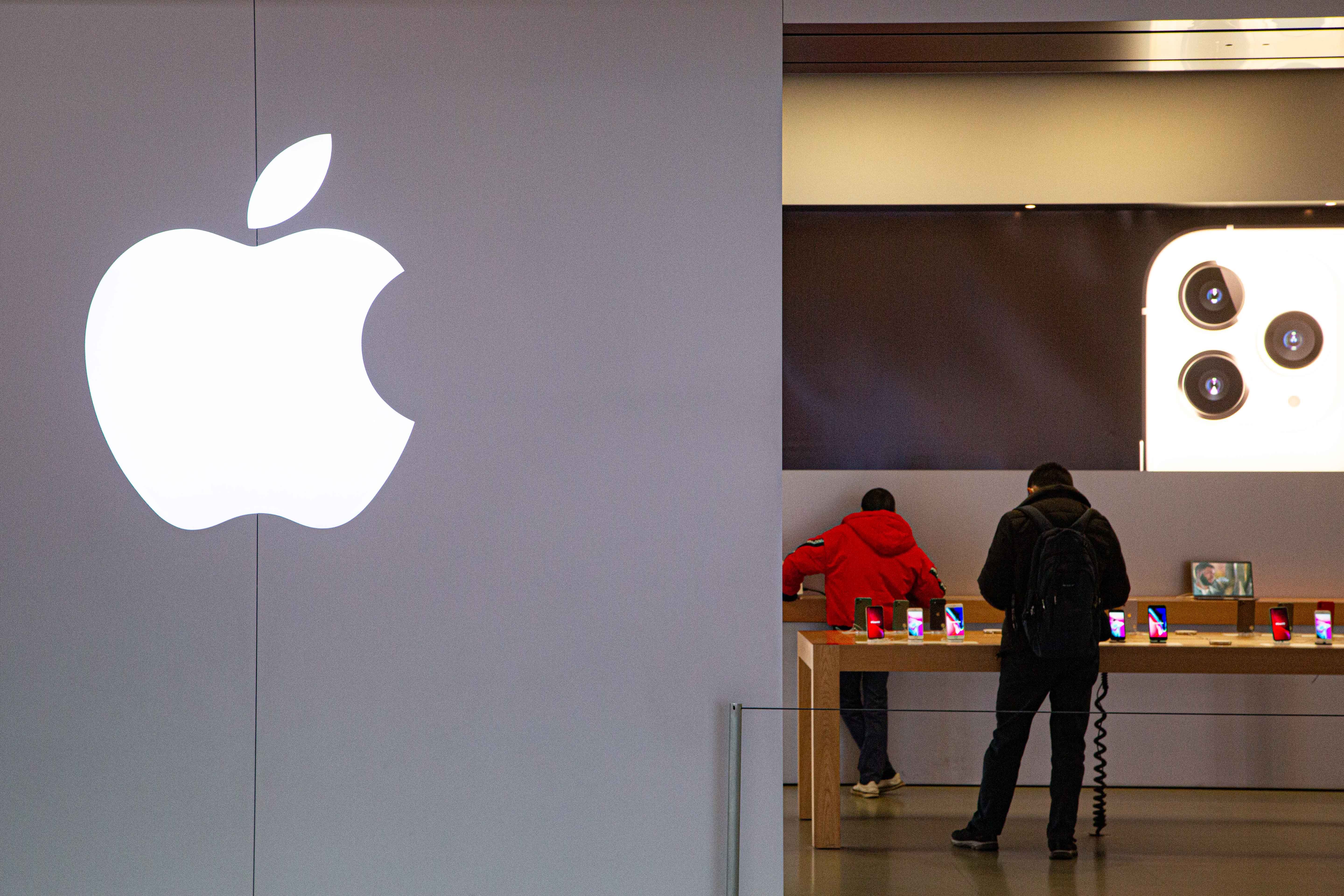
The event could also kick off a fresh wave of product launches. On September 4, Mark Gurman wrote that over the next few years Apple will roll out a foldable iPhone, its first touchscreen OLED MacBook, a smart home hub with a display, smart glasses, AirPods with cameras, and more — while continuing to refresh the iPad, Mac, and Apple Watch lines. Some products are still in development, so timing could shift or even be canceled.
Some analysts say flagship foldables are the most technically demanding product category in consumer electronics today. Once Apple’s first foldable hits the market, it will compete head-on with Huawei, while Android brands like Xiaomi are also aggressively staking their claims — the foldable market landscape is set for a shake-up.
Huawei was the earliest player in the domestic foldable space, and its next-gen foldable is about to launch. At around 2 p.m. on September 7, Huawei will holdthe HarmonyOS 7 | HUAWEI Mate XT 2 and all-scenario new product launch event,featuring the next-gen tri-fold Mate XT 2 and the all-new wide bar-shaped Pura X View, among other devices. Word is the Mate XT 2 is the world’s first U-shaped dual inward-folding display.
That same evening, Xiaomi will launch its foldable, the Xiaomi 18 Fold. Lei Jun previously said the Xiaomi 18 Fold is Xiaomi’s most premium flagship phone to date. Beyond the new foldable form factor, the Xiaomi 18 Fold will bring upgrades in performance, imaging, and cross-device experience — and together with the Xiaomi Pad 9 Pro Max, it will showcase what the Xuanjie O3 chip can do across phones, tablets, and other devices.
Within three days, Huawei and Apple will face off directly in the foldable arena for the first time, with Xiaomi competing on the same stage — a first in the seven years since the foldable category was born.
IDC data shows that from 2020 to 2022, China’s foldable phone shipments grew from 470,000 units to 3.3 million units, a compound annual growth rate of 164.98%.From 2023 to 2025, China’s foldable phone shipments rose from 7.007 million to 10.01 million units, with the CAGR dropping to 19.52%.
Since 2026, foldable shipment growth has started to pick up again. According to Counterpoint Research’s quarterly foldable display panel shipment and technology report released in July, full-year 2026 foldable smartphone panel shipments are expected to reach about 27.5 million units, up roughly 24% year over year, with revenue expected to hit about $4.4 billion, up around 48%. The growth is driven not just by recovering shipments but also by higher average selling prices and improved product mixes fueled by premium projects from Apple and Samsung.