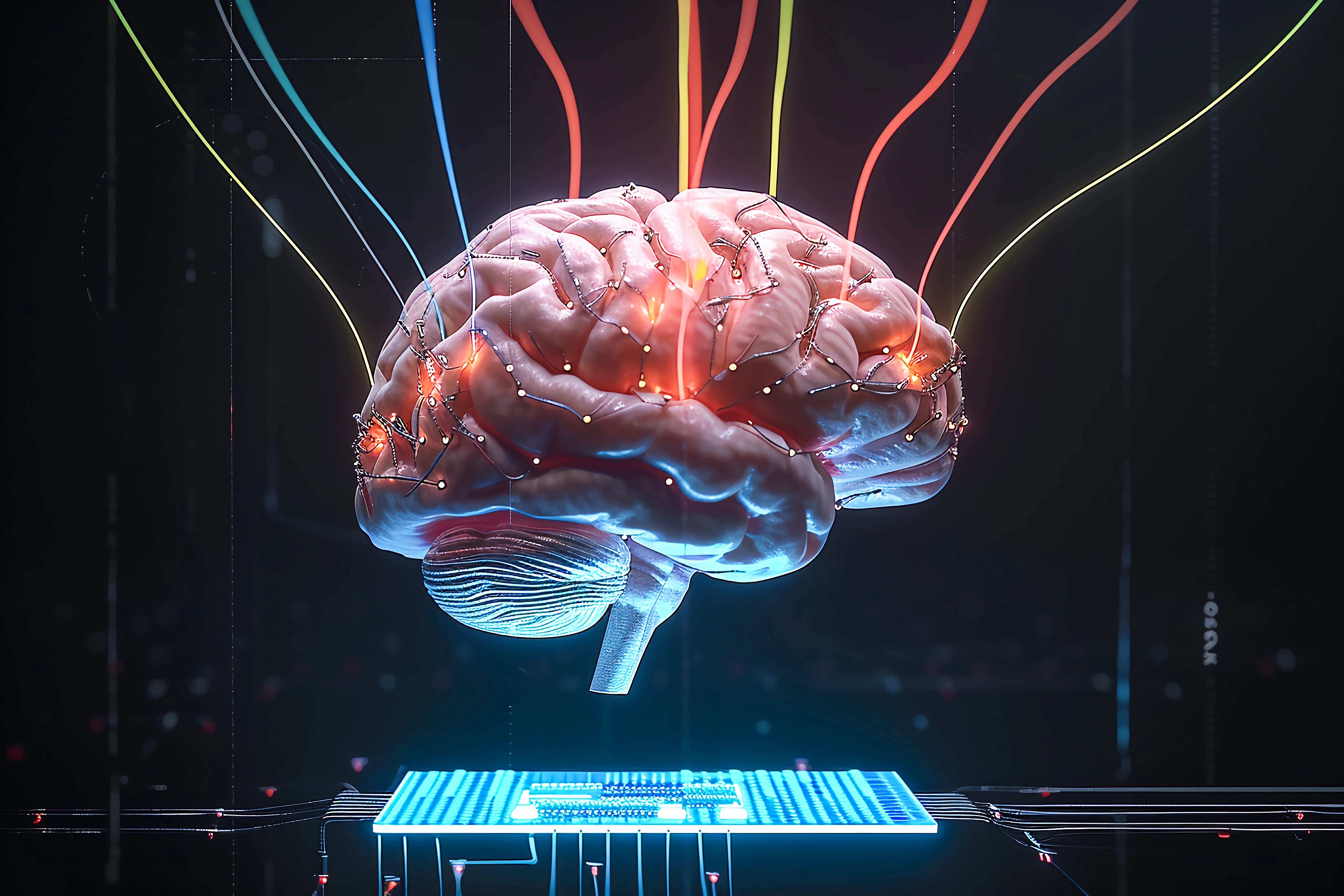
“AI face-swapping” is back in the spotlight. According to a NUPIAO report on October 25, the Hangzhou Intermediate People’s Court this year disclosed a case showing that AI-generated video can now slip past facial recognition systems.
Two bad actors collected other people’s photos online, used AI to generate dynamic clips of them nodding, shaking their heads, blinking and so on, and then tampered with camera data to get past a shopping platform’s facial verification and steal personal information from accounts.
CCTV host Bai Yansong said that no matter how AI develops, it must never come at the cost of violating other people’s rights, and fraudsters should not be allowed to cash in while everyone else pays.
NUPIAO previously reported that in September this yearon the 4th, the Hangzhou Intermediate People’s Court held a public hearing in a public-interest lawsuit involving “AI face-swapping” and personal information protection, and issued a first-instance ruling in court.
In this case, Zhang and Wang illegally obtained other people’s mobile numbers, profile photos, ID information and more. They used “AI face-swapping” tech to turn facial photos into videos, faked facial recognition authentication, forced their way into other people’s shopping platform accounts, sold delivery addresses and shopping cart information to third parties, and also charged fees to help people pass fake real-name verification. Together they made 5,857 yuan illegally.
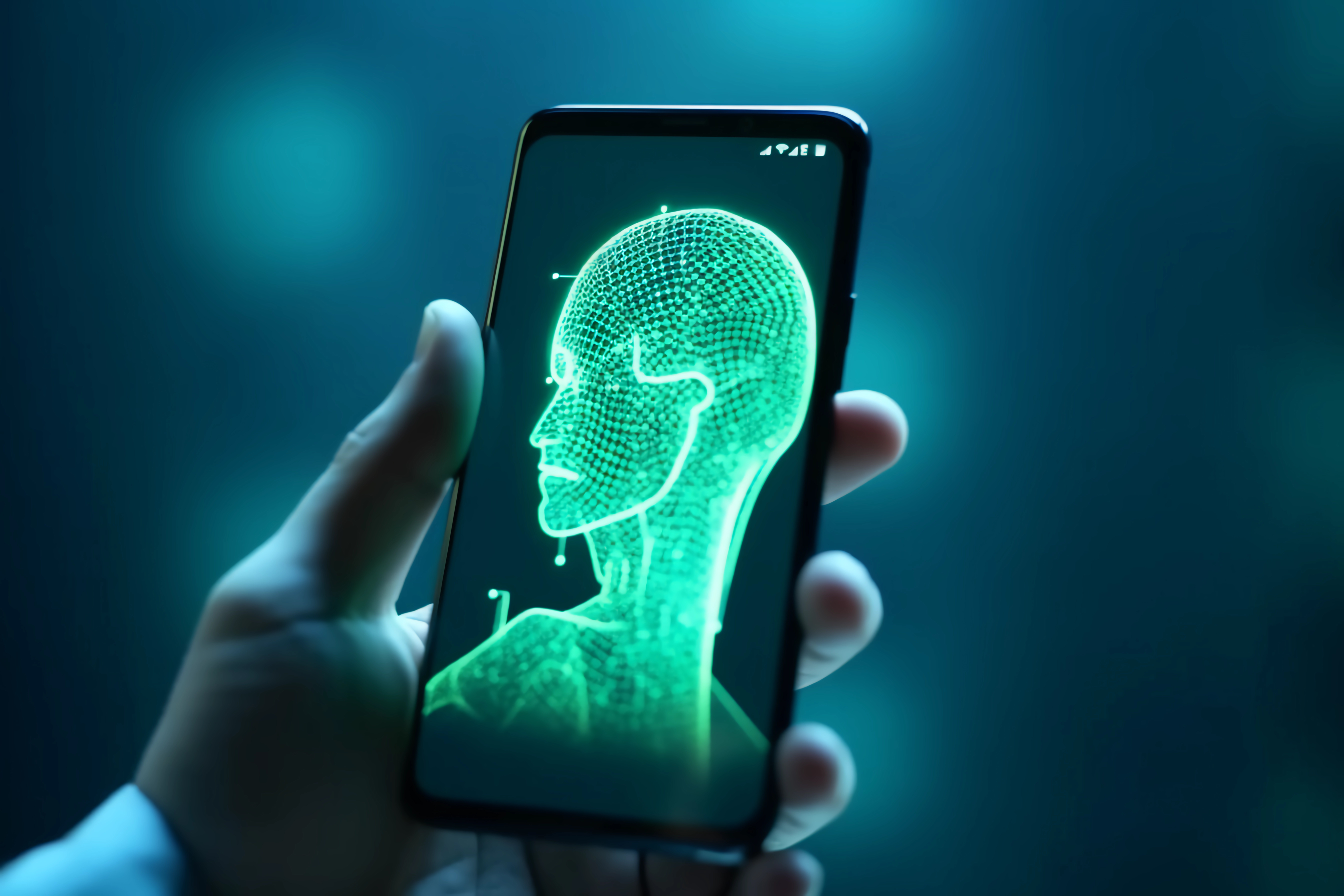
Court findings show the “AI face-swapping” technology used deep-learning algorithms to identify and extract facial feature information from photos, then kept training and building models to generate dynamic videos that mimic real people. Look left, look right, open your mouth, blink—these common actions in facial verification can all be generated with “AI face-swapping.” Meanwhile, Zhang and Wang installed a virtual camera app on their phones to replace the local camera. When the platform called up the camera for facial recognition, the face on screen was automatically swapped for the synthetic video, dodging the “facial recognition” line of defense.
The court ordered Zhang and Wang to make a public apology and pay 5,857 yuan in public-interest damages, which will be used specifically for personal information protection, governance of improper use of face deep-synthesis technology, and other public-interest matters.
This case proves that AI video can already fool some widely used facial recognition systems built around traditional liveness detection.
As AI keeps advancing, the technical barrier to AI face-swapping and audio-video synthesis has dropped sharply. Using AI to generate videos of stars and celebrities for live-stream selling has become one of the worst areas of AI abuse.
Recently, actress Wu Yue lashed out on Weibo: “I wake up and who is using AI to drag people into their crimes? ‘Sister Hua,’ how much money have you scammed? Give it all back! This is disgusting!!!”
According to the video Wu Yue posted, an account named “Sister Hua’s Skincare Diary” released an AI video of “Wu Yue.” It opened with a face-swapped “Wu Yue” doing live-stream selling, then cut to footage from Wu Yue’s public appearances, with “Wu Yue’s” voice saying, “They didn’t come to me for this product—I went to them… the results are really obvious.” Near the end there was also a selling clip that appeared to feature “Deng Yaping.” The video carried a label reading “Author’s note: contains AI-generated content.”
Before that, several other stars and public figures had reported similar problems.Actor Wen Zhengrong once revealed that she came across an AI-streamed fake version of her own livestream, and when she confronted it, she was instantly blocked; Huo Qigang once posted on his personal social account that his image had been stolen by AI; actor Jin Dongalsofell victim to AI face-swapping,and hisimage was copied by criminals and used specifically to scam middle-aged and older people.
On September 7 this year, the Supreme People’s Court issued the “Opinions of the Supreme People’s Court on the Lawful Trial of AI-Related Dispute Cases” (the “Opinions”), setting clear rules for holding people accountable when AI is used to infringe on portrait rights, reputation rights, privacy rights, voice rights and other interests.
Article 4 of the Opinions clearly states: using AI to process a natural person’s name, portrait or other personal elements without consent, and generating a virtual digital image that can identify that person for use or public disclosure, infringes on name rights, portrait rights and other personality interests; using a natural person’s voice as training data without consent, imitating their timbre, tone and pronunciation style to generate a recognizable synthetic voice, infringes on voice rights; controlling a virtual image or synthetic voice to carry out improper acts, make false statements or lower others’ social evaluation infringes on reputation rights, and the person responsible will be held liable for infringement according to law.